The Hidden ROI of Influencer-Led Commerce
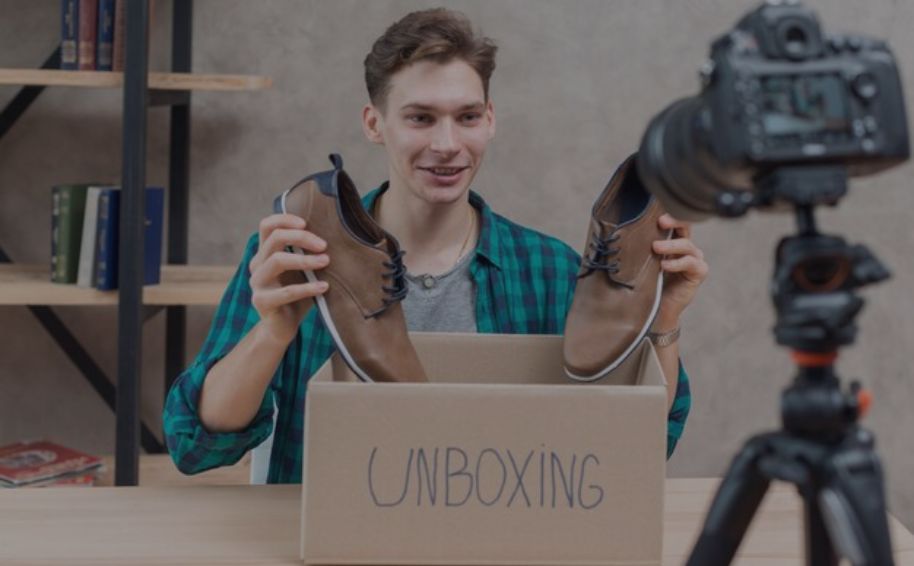
At the core of one of the most profound transformations hitting the U.S. retail landscape since the rise of eCommerce, a fundamental evolution in how consumers discover, evaluate, and buy products online has taken center stage. Historically, brand-led marketing dominated the purchase funnel: broad-scale media buys into expensive commercials, celebrity endorsements, and well-planned campaigns that would eventually shape consumer perception over time. But in 2025, attention is fragmented, and media consumption is mobile-first; trust comes increasingly from peers, meaning it would be impossible to rely solely on traditional promotional models. For this reason, brands are increasingly relying on influencer-driven commerce-a paradigm wherein the creators, not the brands, are setting the tone for product discovery, recommendation, and conversion. This has brought demand for specialized partners, such as a TikTok Growth Agency, key in supporting brands with scaling influencer-led sales and optimizing return at every layer of the funnel. The reason it seems so simple is that authenticity sells. Consumers have grown skeptical of the over-polished ad and more toward creators whose opinions feel relatable, truthful, and firmly based on the everyday. When browsing through TikTok-so strong in regional hubs such as TikTok New York-people are not looking for ads; instead, they crave entertainment, personality, and real experiences. Thus, when a creator organically integrates a product into content that fits their natural tone, style, and humor, the recommendation feels more like advice from a trusted friend rather than a sales pitch. This phenomenon has given rise to the sudden explosion of TikTok influencer marketing, which, when executed strategically, can produce hidden layers of ROI that extend far beyond immediate sales. Today, influencer-driven commerce is no longer a supporting tactic; it is actually a driver behind American purchasing decisions. Alignment among the platforms, algorithms, culture, and consumers has resulted in a new model wherein influence and trust and social storytelling overcome classic advertising methods-not just in efficiency but also in the return on investment. The brands that get this-and the agencies guiding them-are now shaping the next era of retail. Section 1: Influencers Drive Purchase Intent Influencers have the unique positioning of being able to impact purchase intent because they intersect trust, entertainment, and perceived expertise. Their audiences follow them for their personality, lifestyle, recommendations, and opinions. Over time, this develops into a kind of parasocial trust-a connection whereby consumers feel they “know” the creator, even though that relationship is one-sided. This significantly amplifies the effectiveness of product endorsements, making influencers among the most effective drivers of modern commerce. Social Proof Social proof is one of the strongest psychological drivers in marketing, and influencers are its most effective accelerators. When viewers see their favorite creator use a product, review it, or unbox it, they take that endorsement as a seal of approval-an acknowledgment of validity. Unlike traditional ads, recommendations from influencers are credible because they are based on real experiences, personal preferences, and genuine reactions. This level of authenticity propels consumers to try products that might otherwise have been ignored, increasing initial interest, high-intent clicks, and eventual conversions. Relatable Product Demonstrations A product demo by a creator offers one thing that traditional ads cannot: context. Viewers see a product in action within a real environment that has expectations and practical benefits attached. Whether it be skincare routines, workout gadgets, kitchen tools, or fashion accessories, creators show items in real-life scenarios, not some presented promotional environment. This relatability bridges the gap between wanting it and buying it because now consumers can mentally and visually fit the product into their own lives. On TikTok especially, quick, snappy, direct-to-camera explanations outrank highly produced ones. These natural demos tap directly into curiosity and problem-solving behavior-often linked with an increased likelihood of purchase. “In-the-Moment” Decision Influence Influencers also drive impulse purchases, especially in instances when their short-form content is engaging and emotionally resonates with the viewer. The context they provide is instant, and the gratification is immediate. When a creator shares a product that they “can’t live without” or includes a notice for a limited-time deal, viewers often react on impulse, because such recommendations are made in a high-energy environment full of trust. These “in-the-moment” influences are a big part of why influencer-led commerce is outperforming traditional ads, especially for low to mid-ticket products where emotional decisions drive conversions. Section 2: Measuring the Hidden ROI One of the biggest fallacies that brands hold is that influencer campaigns drive only visible sales impact. Instead, the influencer-led commerce creates layers of latent ROI, with compounding effects over time, strengthening performance in a multiyear approach across many digital touchpoints. A strategic TikTok Growth Agency realizes that the value of influencer marketing goes so much further than immediate purchase behavior, revealing deeper benefits traditional ads simply cannot. Micro-Conversions One of the most critical forms of hidden ROI is the micro-conversions-the engagement actions that drive toward a purchase. Examples include the following: Profile Visits Video Saves Product Page Clicks Add-To-Cart behavior Repeat Watches Comment interactions Shares to friends Product links in private DMs These subtle behaviors build into potent downstream revenue, even if they don’t equate to instant sales. Influencer content generates significantly more micro-conversions compared to traditional ads, as consumers naturally go through creator-led content for curiosity, relatability, and entertainment values. The moment an audience saves a video for a product or shares it with a friend who needs it, the creator has influenced the path to purchase, even if that conversion happens days later. Brand Recall Influencers dramatically improve brand recall because their content embeds products within storytelling and emotional experiences. A strong narrative, memorable reaction, or humorous moment can be remembered by the viewer for weeks. This top-of-funnel advantage is extra important in competitive categories because one may not buy anything right then, but they’ll remember the product when the need arises. Influencer-generated brand recall is far higher than recall from traditional ads alone because the recommendation feels personal, tied intrinsically to a personality one follows week in and week out. Repurchase Recurrence Behaviour Influencer endorsements give way to … Read more