Short Media

TikTok vs. Snapchat Ads: A Deep Dive into Differences and Best Practices

TikTok vs. Snapchat Ads

In the dynamic realm of social media advertising, TikTok and Snapchat have emerged as powerful platforms, each with its unique strengths and advantages. This comprehensive guide explores the differences betweenĀ TikTok ads and Snapchat ads, analyzing key factors such as cost, ROI, targeting options, engagement, ad formats, campaign features, and more. Whether you’re a seasoned marketer or just beginning your social media advertising journey, this in-depth analysis will provide valuable insights to help you make informed decisions and achieve successful results. Also readĀ Facebook Ads vs. TikTok Ads Cost Comparison of TikTok vs Snapchat TikTok: WhileĀ TikTok’s CPM tends to be higher than Snapchat’s, its lower CPC can lead to cost-efficient traffic to your website. Consider the value of reaching your target audience against the initial CPM investment. Snapchat: Snapchat offers cost-effective CPM rates, but unique ad formats like Filters and Lenses can escalate costs. Understanding format-specific pricing is crucial for budget allocation. ROI Assessment of TikTok vs Snapchat TikTok: With TikTok’s slightly higher CTR, there’s potential for enhanced ROI. However, it’s important to remember that ROI depends on numerous factors beyond CTR, such as conversion rates and campaign objectives. Snapchat: Snapchat’s CTR, though slightly lower than TikTok’s, offers valuable engagement opportunities. It’s essential to assess ROI holistically, considering your specific campaign goals. Targeting Capabilities of TikTok vs Snapchat TikTok and Snapchat: Both platforms provide a range of pre-built audience categories for targeting users based on demographics, behaviors, and interests. Custom Audiences, powered by user data, enable precise targeting and personalized messaging. Engagement Potential of TikTok vs Snapchat TikTok: With an impressive engagement rate of 4.25%, TikTok stands out as a highly engaging platform. The platform’s interactive features contribute to this high level of user interaction. Snapchat: Snapchat’s engagement is nuanced due to its ephemeral nature. While it lacks TikTok’s wide array of interactive features, users still engage with Snaps through sharing and swiping. Diverse Ad Formats of TikTok vs Snapchat TikTok Feed ads: These are ads that appear in the TikTok For You feed. Feed ads can be up to 60 seconds long, and they can include a mix of video, audio, and text. For example, a clothing brand could use a Feed ad to promote a new line of clothes, or a food brand could use a Feed ad to show how to make a new recipe.Top View ads: These are full-screen ads that appear at the top of the TikTok For You feed when users open the app. Top View ads can be up to 60 seconds long, and they can include a mix of video, audio, and text. For example, a car brand could use a Top View ad to introduce a new model, or a financial services brand could use a Top View ad to explain its latest investment product.Brand Takeover ads: These are full-screen ads that appear when users open the TikTok app. Brand Takeover ads can be up to 60 seconds long, and they can include a mix of video, audio, and text. For example, a movie studio could use a Brand Takeover ad to promote an upcoming film or a music label could use a Brand Takeover ad to promote a new album.Branded Hashtag Challenge: These are challenges that are created by brands and promoted on TikTok. When users participate in a Branded Hashtag Challenge, they create and share videos that use a specific hashtag. For example, a food brand could create a Branded Hashtag Challenge to encourage users to create videos of themselves making their favorite recipes.Branded Effects: These are AR effects that are created by brands and promoted on TikTok. When users use a Branded Effect, they can overlay AR objects, text, or images on their videos. For example, a cosmetics brand could create a Branded Effect that lets users try on different makeup looks virtually. Snapchat Single Image or Video ads: These are static or animated images or videos that appear in the Snapchat Discover feed or in between Stories. For example, a clothing brand could use a Single Image ad to promote a new line of sweaters, or a food brand could use a Single Video ad to show how to make a new recipe.Story ads: These are full-screen ads that appear in the Snapchat Stories feed. Story ads can be either static or animated, and they can include text, images, and videos. For example, a travel brand could use a Story ad to promote a new destination, or a retail brand could use a Story ad to show off its latest products.Commercial ads: These are longer-form ads that appear in the Snapchat Discover feed. Commercial ads can be up to 10 minutes long, and they can include a mix of video, audio, and text. For example, a car brand could use a Commercial ad to introduce a new model, or a financial services brand could use a Commercial ad to explain its latest investment product.Collection ads: These are ads that promote a group of products or services. Collection ads can include multiple images or videos, and they can be linked to a website or app. For example, a clothing brand could use a Collection ad to promote a new line of shoes or a beauty brand could use a Collection ad to promote a new line of makeup.AR Lens ads: These are ads that use augmented reality (AR) to create interactive experiences. AR Lens ads can be used to try on clothes, test out makeup looks, or learn about new products. For example, a fashion brand could use an AR Lens ad to let users try on new clothes virtually, or a furniture brand could use an AR Lens ad to let users see how a new piece of furniture would look in their home.Filter ads: These are ads that appear as filters on Snapchat’s camera. Filter ads can be used to overlay text, images, or videos on users’ snaps. For example, a food brand could use a Filter ad to let users add a virtual pizza to their … Read more

Facebook Ads vs. TikTok Ads: Ad Formats, Objectives and Performance

Facebook Ads vs. TikTok Ads

In today’s dynamic digital landscape, the question of which platform is best suited for a business’s advertising endeavors remains ever-present. Facebook and TikTok stand out as two formidable contenders in the realm of online advertising, each offering distinct features and catering to diverse audiences. To shed light on this ongoing debate, we delve into the intricacies of Facebook ads versus TikTok ads, with a particular focus on their costs and performance. Understanding the Basics: Facebook Ads vs. TikTok Ads Before delving into the nitty-gritty of costs and performance, it’s essential to grasp the fundamental disparities between Facebook and TikTok ad campaigns. These differences center around ad formats and ad targeting strategies, pivotal elements in determining the optimal platform for your business. Ad Formats Both Facebook and TikTok provide a plethora of ad formats designed to suit various marketing objectives. Facebook’s offerings span from photo ads to carousel ads, video ads, slideshow ads, and collection ads. These formats cater to diverse business goals, enabling the showcase of products, narration of brand stories, display of multiple products in a single ad, and crafting of engaging short videos. In contrast, TikTok boasts ad formats such as Native ads, Branded content, and TopView ads. Video content takes center stage here, allowing brands to infuse effects and text overlays for enhanced engagement. TikTok’s “Spark ads” encourage interaction by prompting users to swipe up or comment, akin to Facebook’s “Engagement ads.” Moreover, TikTok introduces video sales and app/web conversion ads campaign type, ideal for e-commerce enterprises seeking to drive conversions through a seamless shopping experience. Ad Targeting Precise targeting lies at the heart of effective advertising. Facebook shines in this domain with an array of advanced options encompassing demographics, location, interests, behaviors, and connections. Custom Audiences leverage customer data and retargeting, while Lookalike Audiences extend reach to users resembling existing customers. TikTok’s targeting capabilities are slightly more streamlined and more potent. Demographics, location, interests, and device type are leveraged for targeting alongside Custom Audiences and Interest Targeting. While both platforms facilitate precise audience targeting Facebook’s broader collection of platforms and range of options and analytics offers a more comprehensive toolkit. Cost and Performance Comparison: A Deeper Dive With the groundwork laid, let’s dive into the crux of the matter: the cost and performance comparison between Facebook and TikTok ads. Ad Costs – CPM Comparison Advertising costs on these platforms exhibit variation, particularly when considering a business’s spend ranging from $10,000 to $140,000, targeting a US audience, and optimizing for purchase (Facebook) or Complete Payment (TikTok) events. Facebook empowers businesses to set budgets, leading to diverse costs influenced by targeting, ad formats, and placements. The average cost per click (CPC) on Facebook hovers around $1.2, with a cost per thousand impressions (CPM) of approximately $14.20. On the other hand, TikTok’s costs are generally lower, with an average CPC of about $0.9 and an average CPM of around $10.5. While TikTok’s affordability is evident, it’s crucial to note the platform’s comparatively smaller user base, which might impact ad reach. Ad Performance – CTR Comparison Click-through rates (CTR) provide insight into user engagement. Facebook boasts a higher link CTR of 0.76% compared to TikTok’s 0.60%. For Spark Ad, CTR is mostly 10%-20% higher compared to stand-alone ads. This discrepancy could be attributed to Facebook’s longer presence and established user trust. Notably, achieving a CTR exceeding 2% through ad copy optimization on Facebook is plausible. TikTok, focusing on retaining users within its platform, excels in engagement and brand awareness. Its video-oriented nature ensures prolonged interaction with ads, increasing the likelihood of user action. While Facebook’s higher CTR is influenced by ad copy optimization, TikTok necessitates captivating video content creation to enhance CTR. With the right blend of creativity and targeting, businesses can achieve commendable CTR on TikTok. FAQs 1. How Do Facebook and TikTok Ad Formats Differ? Facebook offers photo, carousel, video, slideshow, and collection ads, while TikTok focuses on native, branded content and TopView ads, all centered around captivating video content. 2.Ā How Does TikTok Excel in Engagement? TikTok’s video-oriented nature encourages prolonged interaction with ads, increasing brand awareness and engagement as users remain captivated within the platform. 3.Ā Which Platform Suits E-commerce Businesses Better? TikTok introduces video sales and app/web conversion ads tailored for e-commerce, offering a seamless shopping experience. Facebook’s collection ads and retargeting options also benefit e-commerce. 4.Ā How Can Businesses Optimize Ctr on TikTok? Creating captivating video content, giving offers, and harnessing TikTok’s engaging features are key to enhancing CTR on the platform and fostering interaction and user action. 5.Ā What’s the Bottom Line for Choosing Between Facebook and TikTok Ads? The choice depends on your business goals, target audience, and budget. Facebook’s established presence and diverse options, or TikTok’s engaging video-centric approach, offer unique strengths for different campaigns.

Analyzing and Optimizing TikTok Ad Performance

Tik tok ads for performance

In today’s digital world, social media platforms have become powerful advertising channels for businesses to reach their target audience effectively. One such platform that has gained massive popularity is TikTok. With its massive user base and engaging content format, TikTok offers a unique opportunity for businesses to showcase their products and services. However, to make the most out of TikTok advertising, it is essential to analyze and optimize ad performance effectively. Key Metrics for Analyzing TikTok Ad Performance To gauge the success of your TikTok ad campaigns, you need to track specific key metrics. Let’s explore some of the most crucial metrics that determine the performance of your TikTok ads: Click-Through Rate (CTR) measures the percentage of users who click on your ad after viewing it. A high CTR indicates that your ad is compelling and resonates with the audience. To improve CTR, focus on creating eye-catching visuals and clear call-to-action (CTA) buttons. Moreover, optimize ad groups for clicks. Engagement Rate measures the level of interaction your ad receives from viewers, such as likes, comments, and shares. A high engagement rate indicates your ad content resonates with the TikTok community. To boost engagement, create authentic and shareable content, and optimize for community interaction. Conversion Rate is the percentage of users who complete the desired action after clicking on your ad. This action could be purchasing, signing up for a newsletter, or downloading an app. To optimize the conversion rate, provide attractive offers and ensure your landing page is user-friendly and aligns with the ad’s message. Moreover, optimize your ads for in-app or website conversions. Return on Ad Spend (ROAS) measures the revenue generated for every dollar spent on advertising. It helps you determine the profitability of your ad campaigns. To improve ROAS, target the right audience and optimize your ad groups for value. Analytics Tools for TikTok Ads TikTok provides several analytics tools to help you monitor and optimize ad performance effectively. These tools offer valuable insights into your ad campaigns’ performance and audience behavior. TikTok Pixel is a tracking tool that allows you to measure the actions users take on your website after interacting with your TikTok ads. By installing the TikTok Pixel, you can track conversions, optimize ad delivery, and create more targeted campaigns.TikTok Ad Manager is a comprehensive platform that enables you to create, manage, and analyze your ad campaigns. It provides in-depth data on impressions, clicks, and engagements, helping you make data-driven decisions. Tips for Optimizing TikTok Ad Performance To achieve optimal results from your TikTok ad campaigns, consider implementing the following strategies: Captivating Creatives: On TikTok, creativity is key. Create visually stunning and entertaining ads that capture users’ attention within the first few seconds. Use music, effects, and storytelling to leave a lasting impression. Targeting the Right Audience: Understand your target audience’s preferences and interests to ensure your ads are shown to the right users. TikTok offers various targeting options based on demographics, interests, and behaviors. Testing and Iterating: Continuously test different ad formats, visuals, and CTAs to identify what resonates best with your audience. Use A/B testing to optimize your ads for better performance. Collaborating with Influencers: Influencer marketing is potent on TikTok. Partner with relevant influencers to promote your products or services. Influencers can help increase brand credibility and reach a wider audience. Measuring TikTok Ad Performance Success: Effectively measuring TikTok ad performance success involves analyzing the key metrics mentioned earlier and comparing them against your campaign objectives. Regularly monitor your ad campaign’s performance and make data-driven adjustments as needed. TikTok ads give businesses a unique opportunity to engage with a massive audience and drive significant results. By analyzing key metrics and leveraging analytics tools, businesses can optimize their TikTok ad performance and achieve their advertising goals. Remember to stay creative, target the right audience, and test different strategies to find what works best for your brand. Analyzing Campaign Data to Gain Actionable Insights When it comes to TikTok ad performance, success hinges on strategic data analysis. To analyze TikTok Ads Manager campaign data and gain valuable insights, you can focus on various key performance indicators (KPIs) such as Click-Through Rate (CTR), View-Through Rate (VTR), Conversion Rate (CVR), and overall performance. Here’s how you can approach these key aspects: Creative Performance: CTR/VTR Analysis:Monitor the CTR and VTR metrics for each ad creative in the campaign. Identify high-performing creatives with above-average CTR/VTR. Compare the performance of different creatives to understand what type of content resonates best with your target audience. Analyze the correlation between the creative elements (e.g., visuals, ad copy, call-to-action) and their impact on CTR/VTR to improve future creatives.Creative Refresh: Rotate new ad creatives every 7-10 days to combat ad fatigue and keep your audience engaged. Observe the performance of fresh creatives to gauge their effectiveness in attracting attention and driving conversions. Landing Page Performance: CVR Analysis:Measure the Conversion Rate (CVR) for each landing page associated with your ads. Identify top-performing landing pages and analyze their characteristics to understand why they perform well. Optimize underperforming landing pages by making them more relevant to the ad’s content and improving the user experience.Offers and Discounts: Test different attractive offers and discounts to see how they impact CVR. Monitor the performance of campaigns with different offers to determine which ones resonate best with your target audience. Bidding Strategies: Bid Cap (Conversion under a specific cost threshold): Set a bid cap to ensure that you maintain your target cost per conversion. Monitor the performance of the campaign under the bid cap and adjust it as needed to strike a balance between cost efficiency and results.Lowest Cost (No bid – best available conversions) Use the Lowest Cost bidding strategy to let the platform automatically optimize bids for the best available conversions. Compare the performance of this strategy against other bidding methods to identify the most effective approach for your campaign goals. Best Practices for the Learning Phase: During the learning phase of an ad group (when the algorithm is gathering data), avoid making frequent changes to … Read more

Best Practices for Influencer Marketing on TikTok

Best Practices for Influencer Marketing on TikTok

Identifying the Right Influencers for Your Brand and Campaign TikTok influencer marketing involves brands collaborating with popular TikTok users with a substantial following and influence. These influencers create engaging content that promotes the brand’s products or services, reaching a vast audience quickly. The key to successful influencer marketing on TikTok lies in identifying influencers who align with your brand values and resonate with your target audience. Defining Your Brand and Campaign Objectives: Before diving into influencer research, clearly defines your brand and campaign objectives. Determine what message you want to convey, what goals you want to achieve, and the specific metrics you’ll use to measure success. Having a well-defined strategy will help you identify influencers whose content aligns with your campaign goals.Identifying Relevant Influencer Niches: TikTok is a diverse platform with content creators representing various niches and interests. To find the right influencers for your brand, focus on those whose content aligns with your industry or niche. Whether it’s beauty, fitness, gaming, or fashion, choosing influencers whose content complements your brand will drive more authentic engagement.Analyzing Influencer Reach and Engagement: While it may be tempting to partner with influencers with the most significant number of followers, engagement is equally important. High engagement rates indicate an influencer’s ability to connect with their audience genuinely. Look for influencers with a consistent track record of high likes, comments, and shares, as this indicates an active and dedicated following.Assessing Content Quality and Authenticity: The quality and authenticity of an influencer’s content play a crucial role in winning the trust of their followers. Analyze the influencer’s previous posts to assess their creativity, storytelling skills, and how well their content resonates with their audience. Authenticity is key to building a strong brand-consumer relationship.Evaluating Influencer Audience Demographics: Understanding an influencer’s audience demographics is vital to ensure alignment with your target market. Analyze the age, location, and interests of their followers to verify whether they match your brand’s ideal customer profile. A strong overlap between your target audience and the influencer’s followers will boost the effectiveness of your campaign.Collaborating with Micro-Influencers: Micro-influencers, despite having a smaller following, often possess a more engaged and niche-specific audience. Consider collaborating with micro-influencers who have a dedicated fan base that shares a genuine interest in your brand or products. Their recommendations can have a significant impact on their loyal followers.Leveraging User-Generated Content: User-generated content (UGC) has become a powerful tool for brands to increase authenticity and foster a sense of community. Encourage influencers to promote UGC challenges related to your brand, inspiring their followers to participate and generate organic content for your campaign.Building Long-Term Influencer Relationships: Establishing long-term relationships with influencers can lead to more impactful and authentic collaborations. Nurturing these partnerships will help foster mutual trust and understanding, leading to better-aligned campaigns and improved results.Legal and Ethical Considerations: When engaging with influencers, it’s essential to comply with relevant legal and ethical guidelines. Clearly outline the terms of the partnership and disclose any sponsored content. Familiarize yourself with influencer marketing regulations to avoid potential pitfalls. Negotiating Partnerships and Collaborations With TikTok Influencers   For selecting the right TikTok influencers: Use TikTok’s Creator Marketplace to find influencers: This platform makes it easy to search for influencers by category, location, and other criteria. Talk to your target audience: Ask them who they follow on TikTok and what kind of content they like to see. This can give you valuable insights into who you should target with your influencer marketing campaign. Use a third-party influencer marketing platform: These platforms can help you to find and manage influencers, as well as track the results of your campaigns. Following are some tips on how to negotiate partnerships and collaborations with TikTok influencers: Be clear about your goals: What do you hope to achieve with this partnership? Are you looking to increase brand awareness, drive traffic to your website, or generate leads? Once you know your goals, you can start to negotiate with the influencer about how they can help you achieve them. Be specific about your deliverables: What do you expect from the influencer in terms of content creation, posting frequency, and tagging? Be as specific as possible so that there are no misunderstandings down the road. Be willing to negotiate: Influencers are in high demand, so be prepared to negotiate on price and other terms. However, don’t be afraid to walk away if you’re not happy with the terms. Be professional: Even though you’re negotiating with a social media influencer, it’s important to be professional in your communications. This means being respectful, polite, and timely in your responses. Use a contract: It’s always a good idea to use a contract when working with influencers. This will help to protect both parties and ensure that everyone is on the same page. Be transparent: Be transparent with the influencer about your goals and expectations. This will help to build trust and ensure that the partnership is successful. Be flexible: Things don’t always go according to plan, so be prepared to be flexible. If the influencer needs to change something, be willing to work with them. FAQs How Can I Identify the Right Influencers for My TikTok Campaign? Look for influencers whose content aligns with your brand and resonates with your target audience. Focus on relevance and authenticity over follower count alone. What Is the Role of Niche Influencers in Influencer Marketing? Niche influencers have a dedicated and engaged audience within a specific interest or industry, leading to more authentic connections with their followers. How Important Is Authentic Content for a TikTok Influencer Campaign? Authentic content is crucial for building trust and relatability with the audience. It helps create a genuine connection between the influencer and the viewers. How Can I Leverage TikTok Trends and Challenges for My Campaign? Stay updated on popular challenges and trends, and encourage influencers to participate. Capitalizing on these trends can increase your campaign’s visibility. Why Is User-Generated Content Valuable for Influencer Marketing? User-generated content enhances authenticity and fosters a sense of community. … Read more

Targeting Strategies for TikTok Ads

TikTok Ads

TikTok, the rapidly growing social media platform, has become a hotbed for brands seeking to reach a massive and engaged audience. To maximize the effectiveness of advertising campaigns, TikTok offers a range of advanced targeting options and capabilities. This article will delve into TikTok’s targeting features, enabling advertisers to connect with precise audiences and achieve better campaign outcomes. Demographic Targeting for Precise Audience Reach TikTok’s demographic targeting allows advertisers to reach specific groups of users based on various demographic factors. TikTok ad experts can narrow their audience by age, gender, location, language, and other demographic criteria. This level of precision ensures that TikTok ads are delivered to users who are most likely to be interested in the products or services being promoted. For instance, if a brand wants to promote a new makeup line targeted towards young females in the United States, they can configure their campaign to show ads only to users within the specified age group, gender, and location. This helps eliminate unnecessary impressions and increases the chances of engaging potential customers. Interest-Based and Behavior-Based Targeting In addition to demographic targeting, TikTok offers interest-based and behavior-based targeting options. Interest-based targeting allows advertisers to display ads to users who have demonstrated an interest in specific topics, hashtags, or content categories. This targeting method ensures that TikTok ads are shown to users who are likely to engage with content related to the advertised products or services. On the other hand, behavior-based targeting enables advertisers to reach users based on their past interactions and activities on the platform. It includes app downloads, content engagement, and interaction with ads. By leveraging behavior-based targeting, brands can tailor their ads to users who have shown a genuine interest in similar products or services in the past. Leveraging Custom and Lookalike Audiences for Ad Targeting Custom and lookalike audiences are powerful tools that enable advertisers to create highly targeted ad campaigns. With custom audiences, brands can upload lists of existing customers’ contact information, such as email addresses or phone numbers. TikTok then matches this data with user accounts, allowing brands to target their existing customer base directly or run personalized re-engagement campaigns. Lookalike audiences, on the other hand, help expand the reach of ad campaigns by targeting users similar to the brand’s existing customer base. TikTok uses machine learning algorithms to identify users with characteristics and behaviors similar to those of the custom audience. This approach increases the likelihood of finding new potential customers who share traits with the brand’s existing loyal customers. TikTok’s robust targeting options and capabilities empower advertisers to run highly effective and relevant ad campaigns. By implementing demographic targeting, brands can reach their desired audience segments precisely. Interest-based and behavior-based targeting ensures that ads are shown to users interested in similar content or products. Additionally, leveraging custom and lookalike audiences allows brands to reach existing customers or expand their reach to potential customers with similar interests. Advertisers should take advantage of TikTok’s sophisticated targeting features to optimize their ad spend and achieve better results. Understanding and strategically combining the various targeting options can lead to impactful and successful advertising campaigns on TikTok. FAQs 1.Ā How Often Should I Post on TikTok to Engage My Audience Effectively? Consistency is key on TikTok. Aim to post at least once a day to keep your audience engaged. However, focus on quality over quantity. It’s better to post high-quality content less frequently than to sacrifice the quality of your videos for the sake of posting more frequently. 2.Ā How Can I Encourage My Followers to Create User-Generated Content? Encourage your followers to create user-generated content by hosting challenges, offering incentives or rewards, featuring their best submissions, and actively engaging with their content. Make it clear that you appreciate their efforts and value their contributions to your TikTok community. 3.Ā How Should I Respond to Negative Comments on My TikTok Videos? When faced with negative comments, it’s essential to remain calm and respond in a respectful manner. Avoid getting defensive or engaging in arguments. Instead, address any concerns raised, offer solutions if applicable, and maintain a positive tone. Remember, negative comments provide an opportunity to showcase your professionalism and empathy. 4.Ā How Can I Make My Live Streams More Interactive and Engaging? To make your live streams more interactive and engaging, interact with viewers by responding to their comments and questions. Use interactive features like polls and Q&A stickers to involve your audience. Consider incorporating games, challenges, or live giveaways to keep viewers excited and active during the stream. 5.Ā Can I Repurpose My Live Stream Content on Other Platforms? Absolutely! Repurposing your live stream content allows you to reach a wider audience beyond TikTok. Create shorter clips or highlights from your live stream and share them on other social media platforms, such as Instagram or YouTube. This enables you to attract new followers and drive traffic back to your TikTok account. 6.Ā How Can I Encourage My TikTok Followers to Attend My Live Streams? Promote your upcoming live streams in advance by creating anticipation. Tease the topics you’ll be discussing or any special guests you’ll be hosting. Share the details of your live stream across your TikTok account and other social media channels. Consider offering exclusive content or giveaways during the live stream to incentivize attendance.

Building Brand Awareness with TikTok Branded Hashtag Challenges

tik tok branded hashtags

Understanding the Power of Hashtag Challenges for Brand Exposure TikTok, the dynamic social media platform, has taken the marketing world by storm with its innovative tools that enable businesses to engage their audiences in exciting ways. One such groundbreaking feature is the “Branded Hashtag Challenge” (BHC), a highly compelling advertising solution that harnesses the creative power of the TikTok community. Rooted in the fundamental truth of human nature—that people learn best by doing—the Branded Hashtag Challenge actively involves consumers with a brand’s message, forging deeper connections and driving meaningful engagement. Understanding the Branded Hashtag Challenge (BHC) Hashtags play a significant role on TikTok, allowing users to discover videos they’re interested in, participate in conversations, and build communities around shared interests. Moreover, hashtags increase a post’s visibility in the For You feed, where users spend most of their time, often propelling the content to viral status. Taking hashtags to the next level, TikTok introduced challenges, which prompt users to create videos showcasing specific actions. These challenges can range from reimagining an influencer’s video to demonstrating athletic feats or dancing to a funny song. Participants share their videos on TikTok, accompanied by the designated hashtag, creating a collective movement of user-generated content. Sometimes, prizes are offered, but the real allure is the fun and creativity involved. When brands sponsor a hashtag challenge, it becomes a Branded Hashtag Challenge, providing a unique and highly effective way to boost brand awareness, drive engagement, and grow a devoted fanbase. Follow this article to choose trending and popular Hashtags on TikTok The Significance of Branded Hashtag Challenges The TikTok Branded Hashtag Challenge is transforming the advertising landscape, shifting businesses from passive communication to active engagement with their audiences. By tapping into users’ desire to express themselves, the BHC fundamentally alters the way brands interact with their customers. It elevates consumers from mere observers to active participants, positioning brands at the center of cultural movements and turning the target market into co-creators, decision-makers, followers, buyers, and, most importantly, brand ambassadors. Brands that embrace Branded Hashtag Challenges gain the ability to: Ignite Massive Engagement: With TikTok’s cutting-edge sound and video editing tools, users become captivating storytellers, interpreting brand messages and products from their unique perspectives. This organic and relatable content resonates with their communities, resulting in an unparalleled 17.5% median engagement rate on Branded Hashtag Challenges. Generate Full-Funnel Impact: While Branded Hashtag Challenges primarily focus on building awareness and engagement, research shows they deliver strong results at every stage of the marketing funnel. When combined with other marketing solutions, a Branded Hashtag Challenge can supercharge brand engagement, creating meaningful connections that drive tangible results. Spark Organic Visibility: The impact of Branded Hashtag Challenges extends well beyond the campaign period, with earned video views continuing to drive value for several months. Creators’ content sparked by a Branded Hashtag Challenge can double the return of the campaign, making marketing efforts more effective and cost-efficient. Keys to Crafting an Effective Branded Hashtag Challenge Branded Hashtag Challenges on TikTok thrive on joy, creativity, and authenticity. The most successful BHCs provide clear parameters and direction while allowing ample space for users to unleash their imagination and creativity. To create a winning Branded Hashtag Challenge, brands should consider the following: Think Like Your Audience: Put yourself in the shoes of your target audience. What type of videos do they enjoy sharing? What activities would they be excited to participate in? Make the challenge all about them, allowing users to showcase their skills, transformations, and passions. Prioritize Sound: Sound is a crucial element on TikTok. Create catchy and engaging soundtracks that complement the challenge and encourage users to incorporate the audio into their videos. Break the Mold: While dance-offs and product placements are common in Branded Hashtag Challenges, brands that think outside the box can achieve remarkable success. Innovative and unique challenges tend to stand out and resonate more with the TikTok community. Examples of Successful Branded Hashtag Challenges Several businesses have reaped the rewards of innovative Branded Hashtag Challenges on TikTok. Let’s explore a few bright ideas that garnered massive engagement: #ReviveconPhotoSi by PhotoSi: This Italian company turned customers’ childhood memories into prints, photo albums, and keepsake objects. Their challenge prompted users to recreate a photo from their past, tapping into the warm feelings of nostalgia. The campaign received over 380,000 user-generated videos, amassing more than a billion views. #improvisewithJUKE by Nissan Australia: To raise awareness for the launch of their new crossover car, the JUKE, Nissan challenged users to create their own car commercial voiceovers. The prize? The chance to be featured in a JUKE commercial on TV. The campaign generated over 34,000 video creations, resulting in an impressive 129 million video views. #Snoozzzapalooza by Simmons: This longstanding mattress maker connected with a new generation of consumers by challenging them to stage dive into their beds. The challenge inspired people to have fun in their bedrooms and received more than 1.1 million user submissions. Purpose-Driven Marketing with #ShopBlack: TikTok and Shopify teamed up to launch the #ShopBlack campaign, celebrating and amplifying Black-owned businesses. The challenge encouraged users to create videos showcasing their favorite Black-owned businesses, which garnered over 70 million views. Leveraging Add-Ons to Turbocharge Branded Hashtag Challenges To expand the possibilities of a Branded Hashtag Challenge, brands can use add-ons that give their campaigns extra appeal and impact. Some popular add-ons include. Branded Effects: Unique 2D or 3D effects embedded in videos that align with the brand message. Hashtag Emoji: Customized brand emoji that appears alongside the hashtag, increasing clicks and organic participation. Contests: Creative contests with enticing prizes to further engage users. Explore Pages: Customizable landing pages within the TikTok app for added exposure and feedback collection. Pro Tips for a Successful Branded Hashtag Challenge To maximize the impact of a Branded Hashtag Challenge, follow these pro tips based on successful viral challenges: Collaborate with TikTok Creators to amplify engagement and connect with various niches. Enhance your presence with Branded Effects to leave a lasting impression. Maximize visibility with open-screen … Read more

TikTok Branded Mission: Inspiring Brand and Creator Collaborations

TikTok brand

TikTok Branded Mission TikTok has become a powerhouse platform where diverse communities come together to seek inspiration, discover new ideas, products, and experiences. At the heart of this vibrant community are creators who represent a new generation of storytellers, pushing the boundaries of entertainment and shaping culture. The art of storytelling has brought TikTok communities closer, and this presents a valuable opportunity for brands and creators to collaborate and co-create engaging content. Recognizing the potential of this two-way engagement, TikTok launched “Branded Mission,” an industry-first ad solution that allows advertisers to crowdsource authentic content from creators, transform top-performing videos into ads, and enhance brand affinity with media impressions. Unleashing the Power of Co-Creation – Successful brands on TikTok understand the importance of listening to and engaging with the TikTok community. TikTok’s Branded Mission takes this concept to the next level by bringing brands closer to the community and empowering creators to play an active role in brand campaigns. By participating in a Branded Mission, creators have the opportunity to contribute their creativity while brands gain access to the most relatable and authentic brand stories.Engaging the Community in Branded Campaigns – Brands can now develop a brief for a Branded Mission and release it to the creator community. Creators can then choose to participate in the Mission that inspires them. This approach ensures that the content created aligns with the creators’ passion and style, resulting in genuine and compelling branded content. Authenticity Meets Amplification – In the world of Branded Mission, TikTok creators hold the reins of creativity, culture, and entertainment. They have the freedom to choose the Missions they resonate with, allowing them to tell brand stories in the most authentic way possible. The best-performing original creative videos are selected by the brands and amplified through promoted ad traffic. Discovering a Diverse Ecosystem of Creators – Brands now have the opportunity to explore a diverse ecosystem of creative and talented creators on TikTok. Creators with at least 18 years of age and over 1,000 followers are eligible to participate in TikTok’s Branded Missions. This opens doors for both emerging and established creators to showcase their creativity and gain recognition.Empowering Creators with Rewards – TikTok is all about real-world opportunities, and with Branded Mission, creators can benefit from cash payments and boosted traffic if brands select their videos as ads. On each Branded Mission page, creators can view the potential earning opportunity before participating. TikTok is committed to rewarding creators and continues to learn from their experiences to evolve and enhance products for the community.Embracing the Power of Co-Creation – Branded Mission on TikTok opens a new chapter in the world of branded content by fostering genuine collaboration between brands and creators. By involving the community in storytelling, brands can create authentic and relatable content that resonates with users. As creators take center stage in shaping culture and entertainment, TikTok’s Branded Mission empowers them and provides a valuable experience for the entire TikTok community. In conclusion, TikTok’s Branded Mission sets a new precedent for authentic and impactful brand and creator collaborations. By embracing the power of co-creation, brands can tap into the creativity of the TikTok community, elevate their brand stories, and create a lasting impression on their target audience. As TikTok continues to evolve and innovate, Tik Tok Branded Missions promises to be a powerful tool for advertisers looking to make a mark in the dynamic world of social media marketing. How Does TikTok Branded Mission Work? TikTok Branded Mission operates on a simple yet powerful concept of co-creation, enabling brands to harness the creative potential of the TikTok community. Let’s take a closer look at how this industry-first advertising solution works: Step 1: Advertiser Sets the Requirements The process begins with advertisers defining the requirements for a Branded Mission. This includes the objectives, creative guidelines, and key messaging they want to convey to their target audience. Brands can develop a compelling brief that serves as the foundation for the campaign. Step 2: Creators Choose to Participate Once the Branded Mission is launched, TikTok creators can participate in campaigns that inspire them. Creators are free to develop and submit videos that align with the campaign’s requirements and creative guidelines. This participatory approach ensures the content generated is authentic, engaging, and relatable to the TikTok community. Step 3: Top-Performing Videos Shortlisted As the Branded Mission gains traction, the platform’s algorithms identify and highlight the top-performing videos. These videos are shortlisted based on their performance, user engagement, and adherence to the campaign’s objectives. The shortlisting process is designed to identify the most relevant and impactful content that resonates with the brand’s messaging. Step 4: Brands Select the Most Brand-Relevant Video The shortlisted videos are presented to the advertiser, who has the exciting task of selecting the most brand-relevant video from the pool. Brands can review the content, gauge its alignment with their brand identity, and choose the video that best represents their message and values. This selected video becomes the focal point of the media campaign. Step 5: Boosted Ad Traffic and Cash Payment The chosen video is amplified through boosted ad traffic as an In-Feed Ad, ensuring maximum visibility and reach to the target audience. TikTok ensures the ad is seamlessly integrated into users’ feeds, offering an organic and engaging experience. Additionally, eligible creators whose videos are selected as part of the Branded Mission are rewarded with a cash payment from TikTok. This rewards and acknowledges the creativity and effort of the participating creators. Benefits of TikTok’s Branded Mission Creator Empowerment: Branded Mission empowers creators to play an active role in shaping branded content. By allowing them to participate in campaigns that resonate with their creativity and interests, TikTok fosters a sense of ownership and authenticity among creators. Authentic Storytelling: With creators contributing to the campaign, Branded Mission ensures that the storytelling remains genuine and aligned with the platform’s ethos. This authenticity drives stronger connections between brands and their audience. Discovering Diverse Creators: Brands benefit from the opportunity to discover … Read more

Maximizing Reach and Engagement with TikTok In-Feed Ads

Best Practices for Creating Compelling In-Feed Ad Content For businesses looking to harness the potential of TikTok’s vast audience and drive meaningful results, Infeed Ads offers an excellent opportunity. To make the most of this advertising format, it’s crucial to understand and implement the best practices that ensure your Infeed Ads capture your audience’s attention and drive impact. This comprehensive guide presents six essential Creative Codes to help you create TikTok Infeed Ads that leave a lasting impression on your target audience. Creative Code 1: TikTok-First Approach When diving into TikTok advertising, embracing the platform’s unique style and features is essential. TikTok has a distinctive language of its own, from the way videos are shot to the creative use of text overlays, voiceovers, green screens, and duets. To create Infeed Ads that resonate with TikTok users, lean into these elements and make your videos feel natural and seamless to the platform. Research indicates that when ads are TikTok-first and align with the platform’s style, they capture the attention of 74% of viewers. Moreover, TikTok-first ads experience a significant lift across brand outcomes and drive 3.3x more actions, such as clicks, likes, and shares, compared to other platforms. To achieve a TikTok-first approach, consider partnering with TikTok creators through the TikTok Creator Marketplace. Collaborating with creators can help communicate your key messages in an authentic and TikTok-native manner. Creative Code 2: Embrace Trends Trends are at the heart of TikTok’s community, providing an excellent opportunity for brands to connect with their target audience. By capitalizing on popular trends, memes, or challenges, brands can engage with users and create resonant content. In fact, 77% of users appreciate it when brands participate in TikTok trends, making it a valuable strategy to connect with new customers. To stay up-to-date with the latest trends in your region, explore the Trends page on TikTok’s Creative Center. Here, you’ll discover how brands leverage cultural moments to garner billions of views. Embracing trends as storytelling templates can enhance the relatability and shareability of your Infeed Ads. Creative Code 3: Optimize Production Production on TikTok doesn’t have to be complicated, but getting the basics right is crucial. Shoot content vertically to align with the platform’s viewing format, use high-resolution footage to ensure clarity, and be mindful of the UI-friendly “safe space” to optimize your creative assets for spending and targeting efficiently. To keep your Infeed Ads fresh and effective, refresh your ad creative regularly to avoid creative fatigue. TikTok Creative Exchange provides a platform to connect with trusted partners for creating high-quality ads. Additionally, explore CapCut templates, a video editing app that streamlines the process of creating impactful videos for TikTok. Creative Code 4: Structure Your Storytelling The art of storytelling plays a pivotal role in crafting impactful Infeed Ads. Structure your videos with a three-part approach: a hook, body, and close. Hook: Captivate your audience within the first six seconds by communicating the value proposition of your ad. Use suspense, surprise, or emotion to engage viewers. Body: Guide your audience through your ad with additive branding cues. Showcasing the product on-screen, for instance, can increase brand affinity and recall. Close: End with a strong call to action to drive action from your audience. Utilize CTA cards for increased recall and likability. To find storytelling inspiration, explore the Top Ads Dashboard and Video Templates on TikTok’s Creative Center. Creative Code 5: Stimulate Attention with Editing Techniques Editing techniques can be potent tools to capture attention and drive ad memorability. Music, transitions, movement, text overlay, emojis, and branding work cohesively to create interest and captivate viewers. Faster scene changes, in particular, draw viewers in early, leaving a lasting impression. To effectively capture attention with your Infeed Ads, consider leveraging CapCut and its user-friendly creative solutions. This video editing app streamlines the process of incorporating attention-grabbing editing techniques. Creative Code 6: Harness the Power of Sound Sound plays a pivotal role in the TikTok experience, with 88% of users considering it vital to the platform. Music, voiceovers, and sound effects can set the mood and elevate your storytelling. Half of TikTok’s users believe that music makes content more uplifting, energizing, and entertaining. Explore TikTok’s Commercial Music Library for a collection of brand-ready songs available for use in your Infeed Ads. Alternatively, create original sounds that resonate with your brand and story. Optimizing Your Ad Placement and Targeting Options TikTok Ads Manager provides various targeting dimensions to refine your audience selection. Here are the key targeting dimensions you can leverage for your ad campaigns: Audience TargetingInclude – Create a Lookalike or Custom Audience: Utilize customer files, engagement data, app activity, website traffic, shop activity, lead generation data, or business account data to create a customized audience that closely resembles your existing customer base.Exclude – Lookalike or Custom Audiences: Exclude specific audiences from seeing your ads to ensure your message reaches only relevant users.Demographics TargetingGender: Male, Female.Age: 13-17, 18-24, 25-34, 35-44, 45-54, 55+. Location: Deliver to users based on their location: Country/Region, State/Province, City, and Designated Market Area/DMA (US Only). Language: Deliver to users based on their app language. Household Income: Deliver ads to users based on their household income (US Only). Spending Power: Deliver ads to users based on their purchase behavior through TikTok ads.Interests and Behaviors TargetingInterests: Deliver ads to users based on their higher interaction with specific interests, such as “Gaming.” Purchase Intent: Target “in-market” users actively researching or purchasing a specific category of product or service, for example, “Travel Intent.” Behaviors: Deliver ads based on the user’s recent in-app behavior, including interactions with videos or creators. Video behaviors include watching, liking, commenting, and sharing videos by category, while creator interactions include following or viewing creator profiles by category. Hashtags: Deliver ads to users who have engaged with hashtags over the past 7 days.Device Targeting Connection Type: WIFI, 2G, 3G, 4G, 5G Operating System: iOS & Android Operating System Version: Deliver ads to users based on their software version, for example, iOS 10.0 or above, Android 4.0 or above. … Read more

Getting Started with TikTok Ads

Getting Started with TikTok Ads

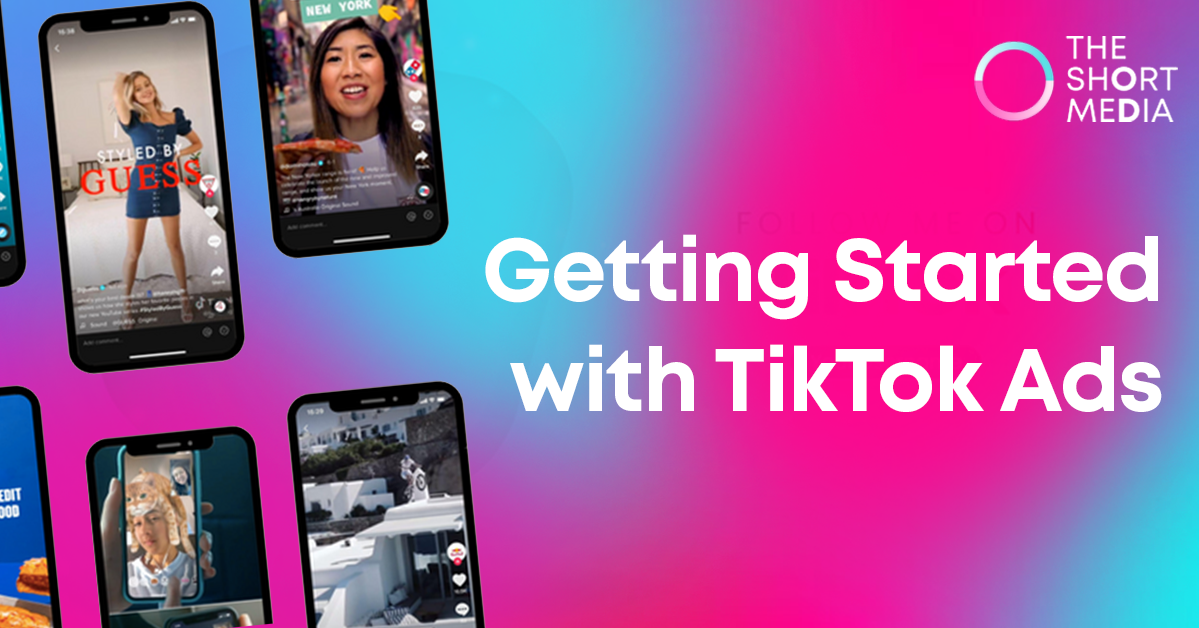
Understanding the Basics of TikTok Advertising TikTok Ads Manager is a powerful and user-friendly platform that allows businesses and marketers to tap into this massive community and effectively promote their products or services. In this comprehensive guide, we’ll delve into the fundamentals of TikTok advertising, from ad formats and targeting to cost management and placements, helping you harness the full potential of TikTok Ads Manager for your marketing success. Effective Reach and Engagement TikTok’s widespread popularity placed it among the world’s most downloaded apps in 2020. With audiences spanning over 150 countries, advertising on TikTok grants you access to a diverse user base, enabling you to reach more potential customers and drive significant traffic to your business. Diverse Apps for All Marketing Goals TikTok Ads Manager opens the door to a family of apps, each catering to multiple verticals, including entertainment, news, and content discovery. This versatility empowers you to find the most suitable users for your products, aligning with your specific marketing objectives. TikTok: The flagship app for sharing short-form videos. Pangle: Pangle is a high-performing video advertising platform that helps businesses reach a global audience. Other Partner Apps For detailed insights into the available ad types on each app, refer to TikTok Ads Placement. Creative Ad Formats and Tools Engaging your audience is paramount, and TikTok Ads Manager offers a diverse range of creative ad formats to achieve precisely that. From horizontal and vertical, to square videos and images, you can select formats that best align with your campaign goals. But it doesn’t stop there. TikTok Ads Manager equips you with unique tools to excel in ad creation and optimization, regardless of the scale of your campaign: Video Creation Kit: A user-friendly tool providing a variety of video templates, enabling you to create compelling videos using your existing images without the need for professional editing skills.Automated Creative Optimization: Streamline ad management through automated processes for creating, delivering, and optimizing your ads.Precise Audience Targeting: Reaching potential customers with precision has never been easier. TikTok Ads Manager empowers you to target your audience based on demographics, interests, locations, age, and other unique variables. For advanced users seeking to elevate their advertising efforts, creating Custom Audiences and Lookalike Audiences enables you to expand your reach to users who resemble your existing customers. Transparent Measurement & Trusted Data Partners TikTok Ads Manager offers robust measurement tools, enabling you to monitor your ad performance with detailed data and custom reports. Utilize the TikTok Pixel to track ad performance and measure marketing results by monitoring users’ behaviors on your website. TikTok has partnered with numerous third-party tracking companies to ensure transparency and accuracy in tracking ad conversions, users’ in-app actions, impressions, and click attribution data. Where Do TikTok Ads Appear? TikTok Ads Manager allows you to choose from various app placements for delivering your ads. These placements determine the specific location and format of how your ad is displayed to users. Depending on your selections, your ads may appear in four key placements: In-Feed: Seamlessly integrated ads within users’ feeds as they scroll through content. Detail Page: Ads displayed on the detail page of specific content, offering targeted visibility. Post-roll: Advertisements shown after a user finishes watching a video. Story: Your ads become part of the immersive storytelling experience on TikTok, captivating users with engaging narratives. For a more in-depth understanding, refer to TikTok Ads Placement. What Do TikTok Ads Look Like? TikTok Ads Manager currently supports two major ad formats across all placements: image and video. Depending on your advertising objectives and chosen placements, your ads may appear in different styles. While some apps, like TikTok, exclusively support video ads, others accommodate images and videos. How Much Do TikTok Ads Cost? TikTok Ads Manager offers two budgeting options: daily or lifetime. You can adjust your budget anytime during your campaign, ensuring the system never exceeds the limit you set. To ensure your ads have an adequate budget, the minimum budget at the campaign level is $50, and the minimum budget at the ad group level is $20. Your bid determines the amount you’re willing to pay for specific user actions after they view your ads. TikTok Ads Manager provides various bidding methods for you to choose from. Setting up Your TikTok Ads Manager Account TikTok Ads Manager is a user-friendly and cost-effective platform that empowers advertisers to create, manage, and optimize ad campaigns tailored to their unique goals. With its array of features and targeting capabilities, it provides businesses with the tools to reach their target audience, increase brand visibility, and drive conversions. Now, let’s dive into the process of setting up your TikTok Ads Manager account. Step 1: Access TikTok Ads Manager To begin the journey of TikTok advertising, head to the TikTok Ads Manager website. If you already have a TikTok account, you can log in using your existing credentials. For those new to TikTok, click the “Sign Up” button to create a new account. Step 2: Choose Your Account Type Once you have logged in or signed up, TikTok will prompt you to select your account type. There are two options available: Business Account: Suitable for businesses and brands looking to advertise on TikTok directly.Creator Account: Designed for individual content creators who want to promote their own content. For this guide, we will focus on setting up a Business Account, as it provides access to TikTok Ads Manager’s full suite of advertising tools. Step 3: Provide Business Information After choosing the Business Account option, you’ll need to provide some basic information about your business. This includes your business name, industry, contact information, and time zone. Ensure the information is accurate, as it will be used for verification and billing purposes. Step 4: Verify Your Account TikTok will require account verification to ensure the legitimacy of your business. The verification process typically involves receiving a code via email or phone, which you will need to enter on the platform. Verification is essential for account approval and gaining access to TikTok … Read more

TikTok Ad Policies and Compliance Guidelines

TikTok Ad Policies and Compliance Guidelines

Boosting Your Brand’s Reach with TikTok Influencer Marketing TikTok Advertising Policies are divided into two sections: Ad Creatives This section sets out the types of advertising content that is prohibited or restricted on TikTok. For example, ads that promote illegal or harmful products or services, or that contain misleading or deceptive content, are not allowed. Advertisers should also take a look at the Intellectual Property Infringement Rules for Ads, which outline the requirements for using copyrighted or trademarked material in ads. Industry Entry This section provides information about the types of products and services that can be advertised through TikTok Ads. For example, some industries, such as gambling and tobacco, are not allowed to advertise on TikTok in certain regions. Advertisers should carefully review the policies for their desired target region to ensure that their products or services are eligible for advertising on TikTok. These policies serve as a guideline for advertisers to determine whether their ads are eligible for placement on TikTok. By following these policies, advertisers can help to ensure that their ads are seen by the right audience and that they do not violate any of TikTok’s terms of service. Understanding TikTok’s Ad Policies and Community Guidelines TikTok, the social media phenomenon, has transformed the advertising landscape with its unique video-centric platform. As businesses seek new ways to reach a vast audience and engage potential customers, TikTok ads have emerged as a powerful tool. To make the most of this platform, advertisers must follow specific guidelines and best practices to ensure ad consistency, functionality, language targeting, and ad quality. In this comprehensive guide, we’ll explore the ins and outs of TikTok advertising, presenting you with a pathway to success while keeping your campaigns unique and original. Ad Format and Functionality 1.1 Landing Page Requirements The key to a successful TikTok ad campaign is leading users to functional and relevant landing pages. To ensure a positive user experience and compliance with TikTok’s guidelines, adhere to the following requirements: Prohibited Landing Pages: Avoid directing users to expired, erroneous, or under-construction pages. Refrain from linking to landing pages with incomplete content or non-mobile-friendly designs. Never lead users to landing pages that automatically download files or require unnecessary personal information.Allowed Landing Pages: Ensure that the landing pages are fully functional and provide value to users. Test the landing page to ensure it works correctly in the targeted country or territory.E-commerce Landing Pages: Display complete and accurate information as required by local laws, including contact details, company information, business license, pricing in local currency, terms & conditions, shipping information, and clear privacy, returns, and refund policies.Privacy Policy for Lead Ads: Include a Privacy Policy link in lead ads and follow data collection policies. The Privacy Policy must comply with applicable data protection regulations and be displayed accurately.QR Codes in Ads: Avoid using QR codes that lead to third-party websites or social media pages (specific to Southeast Asia, Australia, New Zealand, and EMEA).QR codes can be used on product packaging or applications. 1.2 Ad Consistency To build trust and credibility with users, maintaining ad consistency is crucial. Ensure that your ad creative, including captions, text, images, videos, and CTA, aligns with the promoted product or service on the landing page. Follow these dos and don’ts to achieve ad consistency: Not Allowed: Avoid displaying different products or brands in the ad creative and landing page. Refrain from showing a brand logo in the ad that is not present on the landing page.Allowed: Promote the same product or brand in the ad creative and on the landing page. Consistency in Ad Captions: Make sure the ad caption matches the content of the corresponding ad image or video. Display Name & App Name Consistency: Ensure that the “Display Name” and “App Name” align with the promoted product, service, or app name on the landing page. 1.3 Ad Language & Targeting To effectively connect with your target audience, consider their language and cultural preferences. TikTok has specific language requirements for different regions. Here’s a summary of the acceptable languages for various target markets: North America (NA): English and French for Canada. English and Spanish (with SP targeting) for the United States.Latin America (LATAM) :Spanish for Argentina, Chile, Colombia, Mexico, and Peru. Portuguese for Brazil. Asia Pacific (APAC): Japanese for Japan. Korean and English for Korea. Traditional Chinese and English for Taiwan. Khmer and English for Cambodia. Indonesian for Indonesia. Bahasa Melayu and English for Malaysia and Singapore. Filipino (Tagalog) and English for the Philippines. Thai and English for Thailand. Vietnamese for Vietnam. Oceania: English for Australia and New Zealand. Māori Language for New Zealand. Europe, Middle East, Africa (EMEA):Different acceptable languages for various countries in Europe, United Kingdom, Israel, Central and Eastern Europe, Middle East, North Africa, and Turkey. 1.4 Ad Quality & Editorial Standards To captivate your audience and leave a lasting impression, adhere to TikTok’s ad quality and editorial guidelines: Caption/Text: Ensure there are no spelling or grammatical mistakes in the ad caption or text. Avoid excessive use of symbols, capitalization, spacing, numbers, or punctuation.Image and Video: Use high-resolution, clear, and legible ad images and videos. Stick to the standard video sizes: Vertical (9:16), Square (1:1), Horizontal (16:9). Keep ad videos between 5 to 60 seconds in duration. Avoid using still/static images as the main element in ad creatives.Audio: Include clear and high-quality audio in your ads, avoiding unclear or muffled sounds. Community Standards and Illegal Activity TikTok demands strict adherence to its Terms of Service and Community Guidelines. Advertisers must refrain from promoting any services or activities that are deemed illegal in their respective jurisdictions. Drugs, Weapons, and Tobacco: TikTok prohibits the display or promotion of illegal drugs, controlled substances, drug paraphernalia, weapons, ammunition, explosives, and tobacco-related products.Political and Issue-Based Advertising: Ads that reference or promote political candidates, parties, or controversial issues are strictly prohibited.Military Content and Discriminatory Behavior: Negative depictions of the military, police, or any discriminatory content are not allowed on TikTok.Adult and Sexual Content: Ads must avoid promoting adult products, … Read more