
How TikTok UGC Is Reshaping Brand Trust in the US
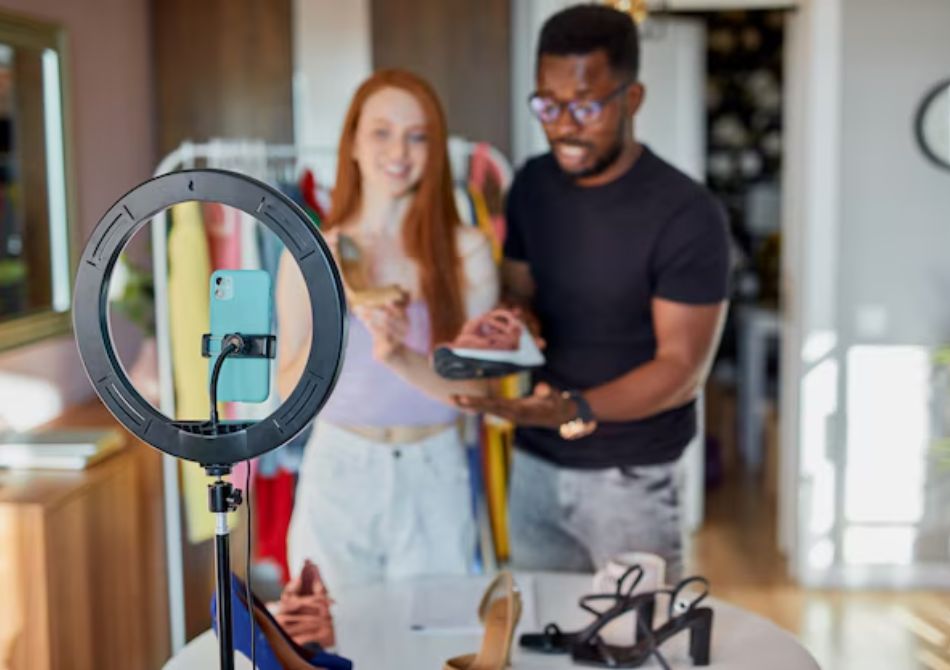
TikTok marketing for brands in the United States has undergone a fundamental shift over the past few years, moving away from highly produced advertising toward content that feels genuine, relatable, and human. At the centre of this transformation is user-generated content, commonly referred to as UGC. On TikTok, UGC is not simply a content format; it is the foundation upon which trust, credibility, and long-term brand relationships are built. Unlike traditional digital marketing channels, where polished brand messaging often dominates, TikTok thrives on authenticity. Users expect to see real people sharing real experiences in an unfiltered way. As a result, TikTok marketing for brands now relies heavily on UGC to connect with audiences who are increasingly sceptical of conventional advertising. This shift is particularly pronounced in the US market, where consumers are highly media-aware and quick to disengage from content that feels inauthentic or overly promotional. UGC has become the bridge between brands and consumers on TikTok. It allows brands to be present in conversations without controlling them, to influence without interrupting, and to sell without overt selling. This article explores what UGC looks like on TikTok, why it builds trust so effectively, how brands use TikTok influencer marketing to scale UGC, and the role a TikTok Specialized Agency plays in aligning creators, strategy, and performance in the US market. What UGC Looks Like on TikTok Creator-Made Videos Creator-made videos form the backbone of UGC on TikTok. These videos are produced by creators who understand the platform’s culture, pacing, and storytelling style. Rather than delivering scripted brand messages, creators integrate products or services naturally into their content, often through demonstrations, commentary, or everyday use. What distinguishes creator-made UGC from traditional influencer content is its tone and structure. The videos are designed to look native to TikTok, using platform trends, informal language, and spontaneous delivery. This approach aligns with how users consume content on TikTok, making the brand presence feel incidental rather than intrusive. For TikTok marketing for brands, creator-made UGC offers a scalable way to participate in the platform’s ecosystem while maintaining authenticity. Brands can collaborate with multiple creators across niches, demographics, and content styles, creating a diverse library of content that resonates with different audience segments in the US. Real Customer Experiences Beyond professional creators, real customer experiences play a critical role in TikTok UGC. These videos are often unsolicited and created by everyday users sharing honest opinions, product results, or service experiences. While brands may not control these narratives, their impact on trust is significant. Real customer UGC carries a level of credibility that branded content cannot replicate. Viewers perceive these videos as unbiased, especially when they include both positive feedback and realistic expectations. In the US market, where peer recommendations strongly influence purchasing decisions, this form of UGC acts as a powerful trust signal. Brands that embrace and amplify real customer experiences demonstrate confidence in their offerings. By engaging with customer-generated content, responding to comments, and featuring these videos in campaigns, brands reinforce transparency and foster stronger community relationships. Why UGC Builds Trust Feels Authentic Authenticity is the primary reason UGC resonates so strongly on TikTok. Unlike traditional advertising, which often feels rehearsed and detached, UGC reflects real voices, real environments, and real reactions. This authenticity aligns with TikTok’s core user expectation: content should feel genuine, not manufactured. For US audiences, authenticity is closely tied to credibility. Consumers are more likely to trust content that appears unscripted and emotionally honest. TikTok UGC achieves this by prioritising storytelling over selling, allowing the product or brand to exist naturally within the narrative. From a TikTok marketing for brands perspective, authenticity reduces resistance. When users do not feel they are being marketed to, they are more open to engaging with and trusting the content. Acts as Social Proof UGC functions as social proof by demonstrating that real people are using, enjoying, and recommending a brand. On TikTok, where content spreads through peer networks, this social validation is amplified. A single UGC video can trigger thousands of comments, shares, and follow-up videos, reinforcing the perception that a brand is widely accepted and trusted. In the US market, social proof is particularly influential due to the fragmented nature of media consumption. Consumers rely on community cues to guide decisions, especially in categories such as beauty, fashion, technology, and consumer goods. TikTok UGC provides these cues in an organic and highly visible way. By integrating UGC into their TikTok influencer marketing strategies, brands can showcase widespread adoption and satisfaction without making explicit claims, strengthening trust through observation rather than persuasion. Less Polished, More Real The intentionally unpolished nature of TikTok UGC is a key trust driver. Imperfections such as informal language, casual filming, and spontaneous reactions signal honesty. These elements contrast sharply with the highly edited visuals of traditional advertising, which many consumers now associate with exaggeration or manipulation. On TikTok, less polished content often performs better because it mirrors how users create and consume videos. Brands that embrace this aesthetic demonstrate cultural fluency and respect for the platform’s norms. For TikTok marketing for brands, adopting a “more real” approach helps humanise the brand. It shifts the perception from corporate entity to relatable participant, which is essential for building trust in the US market. How Brands Use TikTok Influencer Marketing Creator Partnerships TikTok influencer marketing has evolved from one-off sponsored posts to long-term creator partnerships focused on UGC production. Brands increasingly collaborate with creators not just for reach, but for content creation that can be reused across channels. These partnerships prioritise creative freedom. Creators are encouraged to present the brand in their own voice, ensuring the content feels authentic to their audience. This approach results in higher engagement and stronger trust, as followers recognise the creator’s genuine endorsement. In the US market, where audiences closely monitor influencer behaviour, long-term partnerships signal alignment and credibility. Brands that invest in sustained relationships rather than transactional campaigns are better positioned to build trust over time. Content Reuse for Ads One of the most effective uses … Read more

